The Value of Light Weight Aluminum Casting in High-Quality Production Techniques
Aluminum spreading has actually become a foundation in top notch manufacturing methods. Its lightweight residential properties and phenomenal toughness make it a favored option for various sectors. Makers benefit from its design adaptability and very little waste generation. As the demand for advanced products grows, understanding the subtleties of aluminum spreading comes to be vital. This exploration discloses not only its benefits however also the advancing innovations that shape its future in production. What lies in advance for this ingenious procedure?

The Benefits of Light Weight Aluminum Casting
Various casting approaches exist, light weight aluminum casting stands out due to its many benefits. Among the key benefits is its lightweight nature, which considerably minimizes transport expenses and energy intake in applications. Aluminum likewise displays exceptional deterioration resistance, making it ideal for long-lasting components in diverse environments. The casting process enables complex styles, enabling suppliers to produce intricate forms with high precision and marginal waste. Additionally, light weight aluminum has exceptional thermal and electric conductivity, making it suitable for a variety of industrial applications. The high strength-to-weight ratio boosts the structural stability of actors products, supplying resilience without the included mass. Moreover, aluminum spreading can be adapted to different strategies, such as sand casting or die spreading, which widens its applicability across markets. Generally, these benefits position aluminum casting as a recommended selection in modern production, adding to efficiency and sustainability.
Secret Applications of Light Weight Aluminum Spreading
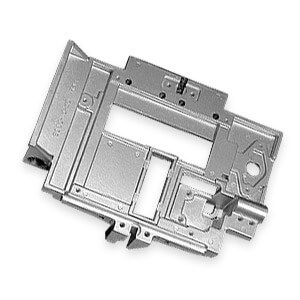
Light weight aluminum casting discovers substantial applications across numerous industries due to its beneficial homes. In the vehicle market, it is extensively utilized for manufacturing engine blocks, transmission situations, and wheels, promoting lightweight styles that boost gas performance. The aerospace sector additionally gains from light weight aluminum spreading, where elements such as housings and brackets are created to meet strict weight and stamina needs.
Additionally, the electric sector employs aluminum spreading for generating housings and heat sinks, which are vital for effective thermal administration in electronic devices. aluminum casting. The building market utilizes aluminum spreadings for architectural elements, home window structures, and fixtures, contributing to both visual appeals and resilience
Lastly, the consumer items market incorporates aluminum spreading in products like pots and pans and showing off devices, leveraging the material's toughness and rust resistance. In general, the flexibility of light weight aluminum casting makes it an essential procedure in meeting varied production requires across numerous fields.
The Refine of Aluminum Spreading
Casting light weight aluminum involves a number of distinct actions that transform basic materials into finished components. The process starts with melting light weight aluminum in a heating system, getting to temperature levels around 660 degrees Celsius. When thawed, the fluid light weight aluminum is poured into a mold and mildew, which takes the form of the desired component. Different mold and mildew kinds, consisting of sand, permanent, and investment mold and mildews, are made use of relying on the application.
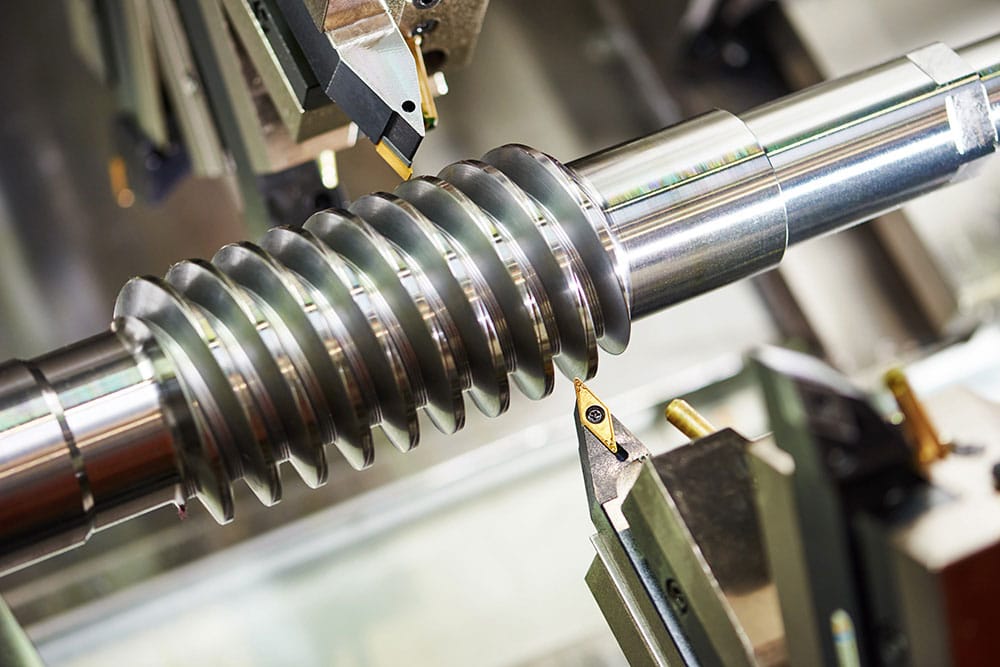
After pouring, the aluminum cools and solidifies, forming a harsh spreading. This spreading undergoes a series of finishing processes, such as machining, to accomplish accurate dimensions and surface high quality. Quality assurance procedures are applied throughout to assure the honesty and strength of the final item. Once all procedures are full, the ended up light weight aluminum parts await numerous applications, showcasing the versatility and efficiency of aluminum casting in manufacturing strategies. Each action is critical in achieving top quality results, making this process essential in making sectors.
Technologies in Light Weight Aluminum Spreading Innovation
Recent developments in aluminum spreading modern technology have actually transformed production procedures substantially. Advancements such as sophisticated casting methods, assimilation of wise manufacturing, and sustainability practices are improving the market. These developments not only boost effectiveness but additionally address ecological issues, paving the means for a much more sustainable future in aluminum spreading.
Advanced Spreading Methods
As manufacturers seek greater effectiveness and sustainability in production, ingenious improvements in aluminum casting technology have emerged to fulfill these needs. Advanced casting approaches, such as die spreading, investment casting, and sand casting, have actually been improved to enhance precision and reduce waste. Pass away spreading enables faster manufacturing rates and tighter resistances, making it optimal for high-volume things. Financial investment spreading, understood for its capacity to create intricate geometries, enables detailed designs with remarkable surface finishes. Meanwhile, sand casting continues to be popular for its adaptability and cost-effectiveness, particularly in low-volume applications. These methods not only boost the quality of aluminum elements yet also contribute to minimized power consumption, aligning with market objectives for lasting practices in manufacturing processes.
Smart Production Assimilation
How can smart manufacturing combination change light weight aluminum spreading technology? By incorporating sophisticated innovations such as the Net of Points (IoT), expert system (AI), and data analytics, wise production improves performance and accuracy in light weight aluminum casting processes. Real-time monitoring of devices and assembly line permits instant modifications, minimizing waste and downtime. Anticipating upkeep powered by AI minimizes tools failures, making sure regular high quality. Additionally, data analytics can enhance casting designs and parameters, causing much better product use and reduced cycle times. These technologies facilitate smooth communication in between devices and drivers, promoting a much more agile production setting. Generally, smart production integration noticeably elevates the capacities of light weight aluminum casting, advertising greater quality results and more responsive manufacturing techniques.
Sustainability Developments
While the aluminum spreading industry encounters boosting pressure to take on sustainable practices, developments are emerging that markedly decrease its ecological influence. Advanced recycling strategies currently make it possible for makers to use approximately 95% recycled aluminum, substantially decreasing energy consumption and waste generation. Additionally, the integration of low-emission technologies, such as electrical melting heating systems, reduces greenhouse gas exhausts connected with typical spreading methods. Additionally, the development of environmentally friendly coverings and binders changes dangerous chemicals, improving office security and reducing ecological air pollution. These developments not only align with global sustainability objectives yet additionally improve the overall efficiency check here and quality of light weight aluminum items. As the sector advances, these innovations will play an essential function in fostering a much more sustainable future for aluminum spreading.
Contrasting Light Weight Aluminum Casting With Various Other Approaches
In contrasting aluminum casting with other manufacturing approaches, several important aspects arise. Expense durability, effectiveness and toughness, and layout adaptability function as crucial metrics for analysis (Aluminum Casting Company). Analyzing these elements can give insights right into the advantages and constraints of aluminum casting in different production contexts
Cost Performance Evaluation
Price efficiency remains a critical consideration in making procedures, particularly when reviewing aluminum spreading versus alternative approaches. Light weight aluminum spreading often presents a reduced preliminary financial investment contrasted to methods such as steel creating or machining, which need more fancy and costly tools. Additionally, light weight aluminum's lightweight nature can decrease transport expenses and power intake throughout production. The capability to develop complicated shapes with very little waste further boosts its cost-effectiveness, as less material is thrown out throughout the manufacturing process. Additionally, light weight aluminum casting usually permits quicker production cycles, bring about reduced labor expenses and faster turnaround times. To sum up, when comparing cost efficiency, aluminum casting regularly emerges as a positive alternative, supplying producers economic advantages together with premium outcome.
Toughness and Longevity
Stamina and resilience are crucial aspects when evaluating production approaches, especially in the context of light weight aluminum spreading. Compared to various other approaches such as plastic shot molding and steel construction, light weight aluminum spreading uses unique benefits. The integral residential or commercial properties of aluminum, incorporated with the spreading process, lead to lightweight yet durable components that can stand up to substantial stress and anxiety and ecological aspects. Unlike plastics, which may degrade with time, light weight aluminum keeps its stability and efficiency under heats and pressures. In addition, while steel parts can be much heavier and prone to rust, light weight aluminum withstands rusting, boosting durability. This combination of stamina and resilience makes light weight go right here aluminum casting a recommended choice for industries requiring dependable performance popular applications, such as aerospace and automotive industries.
Style Adaptability Comparison
The Future of Aluminum Spreading in Production
How will innovations in innovation form the future of aluminum casting in manufacturing? The combination of automation and expert system is expected to reinvent light weight aluminum casting processes. These technologies can enhance precision and performance, lowering waste and manufacturing expenses. In addition, the introduction of 3D printing techniques enables fast prototyping and tailored layouts, enabling producers to react promptly to market demands.
Sustainability is also an important focus, with innovations intended at decreasing power usage and decreasing environmental effect. Methods such as die spreading and financial investment spreading are progressing to include recycled aluminum, advertising a circular economic climate.
Additionally, improvements in products science might bring about the advancement of lighter, stronger aluminum alloys that can broaden the applications of light weight aluminum casting across various industries. On the whole, the future of aluminum casting in manufacturing will likely be identified by boosted adaptability, sustainability, and effectiveness, positioning it as an important component of modern production techniques.
Frequently Asked Inquiries
Exactly How Does Light Weight Aluminum Spreading Influence Environmental Sustainability?
Aluminum spreading positively impacts environmental sustainability by advertising recycling, reducing power consumption compared to other steels, and reducing waste. Its light-weight residential or commercial properties additionally result in decrease exhausts throughout transport, sustaining greener practices in various markets.
What Are the Price Effects of Aluminum Casting?
Aluminum casting typically requires greater first costs due to material and processing expenditures. However, its durability and lightweight properties can produce lasting cost savings by lowering maintenance and transport costs, eventually stabilizing the financial effects for manufacturers.
Can Light Weight Aluminum Spreading Be Recycled Effectively?
Aluminum casting can be reused properly, as the material keeps its residential properties throughout the reusing process. This enables the production of top notch parts while minimizing waste and decreasing energy usage related to brand-new light weight aluminum manufacturing.
What Safety And Security Measures Are Needed During Aluminum Casting?
Security steps during aluminum casting include utilizing individual safety devices like safety glasses and handwear covers, ensuring correct air flow, maintaining tools, and complying with procedures for managing molten steel to stop burns, inhalation risks, and other potential accidents.
Exactly How Does Aluminum Spreading Affect Product Design Versatility?
Light weight aluminum casting improves product design adaptability by allowing complex shapes and light-weight frameworks. This method allows developers to check out ingenious setups, leading to functional applications across different sectors while preserving strength and resilience in the final items.
Aluminum spreading can be adjusted to different strategies, such as sand casting or pass away casting, which widens its applicability across industries. As soon as all processes are total, the finished aluminum components are all set for numerous applications, showcasing the versatility and effectiveness of light weight aluminum spreading in production techniques. As producers seek greater efficiency and sustainability in manufacturing, ingenious innovations in aluminum spreading modern technology click to read more have actually arised to meet these demands. Unlike plastic injection molding, which might require substantial tooling modifications for design adjustments, aluminum spreading can suit modifications much more conveniently during the production cycle. Improvements in materials scientific research might lead to the development of lighter, more powerful aluminum alloys that could increase the applications of light weight aluminum spreading across different markets.